

Why Auto Jack Anti-slip Rubber Pad Stability Matters
An Auto Jack Anti-slip Rubber Pad plays a critical role in ensuring vehicle safety during lifting operations. Whether used in routine maintenance or emergency roadside repairs, jacking stability directly affects both operator safety and vehicle integrity.
Without adequate grip and load distribution, metal-to-metal contact between a jack and vehicle frame can lead to slipping, deformation, or sudden load shifts. This is why anti-slip rubber pads have become an essential component in modern automotive lifting systems. Designed through controlled manufacturing and scalable production processes, these pads offer consistent performance for both individual users and bulk supply applications.
This article explores how anti-slip rubber pads improve jack stability, the science behind their performance, and what factors matter when selecting the right solution.
.jpg)
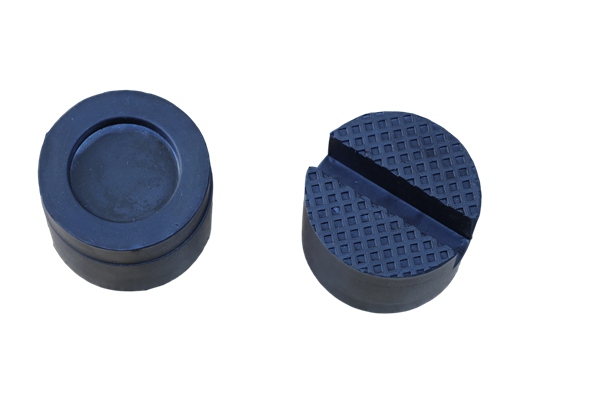
What Is an Auto Jack Anti-slip Rubber Pad?
An Auto Jack Anti-slip Rubber Pad is a specially engineered rubber interface placed between a vehicle jack and the vehicle’s lifting point. Its primary purpose is to increase friction, evenly distribute load, and prevent lateral movement during lifting.
These pads are typically molded from high-density elastomer compounds designed to withstand compression, shear forces, and repeated load cycles. Many manufacturers optimize production formulas to balance hardness, elasticity, and surface texture for maximum grip under heavy loads.
How Anti-slip Rubber Pads Improve Jack Stability
1. Increased Friction at Contact Points
Rubber naturally has a higher coefficient of friction than steel or aluminum. When placed between the jack saddle and vehicle frame, an anti-slip rubber pad significantly reduces the likelihood of sliding during lifting.
Textured or grooved pad surfaces further enhance grip, especially on uneven or coated vehicle undersides.
2. Even Load Distribution
Metal jack saddles often concentrate force on a small contact area. Anti-slip rubber pads deform slightly under load, spreading pressure more evenly across the lifting point.
This controlled deformation helps maintain balance, reduces stress concentrations, and minimizes the risk of structural damage to vehicle frames.
3. Vibration and Micro-Movement Damping
During lifting, small vibrations or shifts can compromise stability. Rubber pads act as dampers, absorbing micro-movements that might otherwise translate into jack instability.
Through precision-controlled production processes, manufacturers ensure consistent material behavior across batches, supporting reliable performance even under repeated use.
4. Improved Alignment During Lifting
Anti-slip rubber pads often feature grooves or slots designed to align with factory-designated jack points. This alignment reduces lateral forces and keeps the vehicle positioned correctly throughout the lifting process.
Key Material Properties That Affect Performance
Hardness and Elasticity
An effective Auto Jack Anti-slip Rubber Pad must strike a balance between firmness and flexibility. Excessively soft rubber may compress too much, while overly hard rubber may fail to grip properly.
Compression Resistance
Pads must withstand high compressive loads without permanent deformation. Industrial-grade rubber compounds are tested under repeated load cycles to ensure durability.
Surface Texture Design
Surface patterns play a vital role in traction. Anti-slip textures enhance contact stability without damaging vehicle surfaces.
Applications in Automotive Maintenance
Auto Jack Anti-slip Rubber Pads are widely used in:
·Passenger vehicle maintenance
·Commercial fleet servicing
·Automotive workshops and garages
·Emergency roadside lifting kits
For suppliers with structured manufacturing and bulk production capability, these pads are commonly provided in standardized sizes while allowing customization for different jack designs.
Common Stability Issues Without Anti-slip Pads
Without proper rubber pads, users may experience:
·Jack saddle slipping under load
·Uneven lifting angles
·Frame surface damage
·Increased safety risk during maintenance
Anti-slip rubber pads address these issues by improving traction, stability, and load control.
How Production Quality Impacts Performance
The performance of an Auto Jack Anti-slip Rubber Pad is directly linked to production quality. Controlled molding processes, consistent material formulation, and quality inspections ensure that each pad meets safety and performance expectations.
Manufacturers with stable production lines can maintain uniform hardness, precise dimensions, and reliable friction characteristics—critical for applications involving heavy loads and repeated use.
How to Choose the Right Anti-slip Rubber Pad
When selecting an Auto Jack Anti-slip Rubber Pad, consider:
·Load rating compatibility
·Material hardness and elasticity
·Surface grip design
·Compatibility with jack saddle shape
·Durability under repeated compression
Choosing a pad produced through professional manufacturing processes ensures consistent safety performance.
Conclusion: Why Auto Jack Anti-slip Rubber Pad Stability Is Essential
An Auto Jack Anti-slip Rubber Pad is a small component with a major impact on lifting safety and stability. By increasing friction, distributing loads evenly, and dampening vibrations, it significantly reduces the risk of jack slippage and vehicle damage.
For automotive applications that demand reliability and consistency, pads developed through controlled production systems and scalable manufacturing offer long-term value. Whether for individual use or bulk supply, anti-slip rubber pads remain a fundamental element in safe vehicle lifting operations.
References
GB/T 7714:Gent A N. Engineering with rubber: how to design rubber components[M]. Carl Hanser Verlag GmbH Co KG, 2012.
MLA:Gent, Alan N. Engineering with rubber: how to design rubber components. Carl Hanser Verlag GmbH Co KG, 2012.
APA:Gent, A. N. (2012). Engineering with rubber: how to design rubber components. Carl Hanser Verlag GmbH Co KG.