

Why a Car Jack Rubber Support Block Is Essential
A Car Jack Rubber Support Block plays a critical role in protecting a vehicle’s frame during lifting operations. When a car is raised for maintenance or inspection, direct metal-to-metal contact between the jack and vehicle frame can cause structural damage, slippage, or uneven load distribution.
Designed to provide cushioning, grip, and load absorption, a Car Jack Rubber Support Block improves lifting stability while minimizing stress on sensitive vehicle components. For users seeking safer and more reliable lifting solutions, rubber support blocks manufactured through controlled production processes offer consistent performance and dependable quality.
This article explains how a Car Jack Rubber Support Block works, why it protects the vehicle frame, and what to consider when selecting one for high-load automotive use.
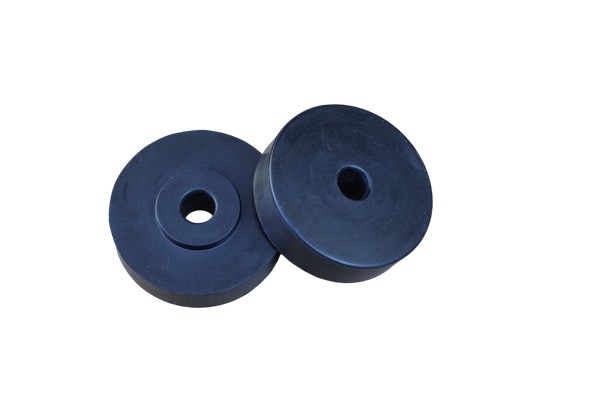
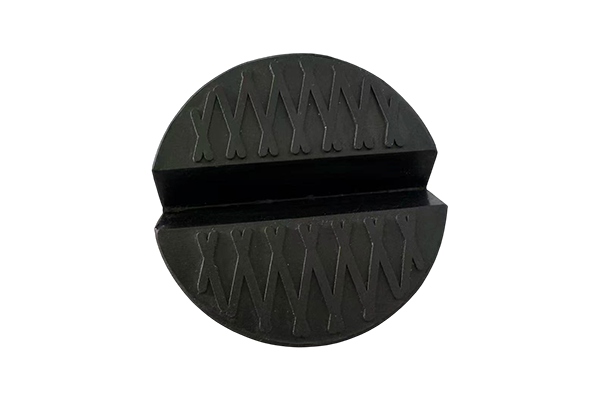
What Is a Car Jack Rubber Support Block?
A Car Jack Rubber Support Block is a molded rubber component placed between a lifting jack and the vehicle’s designated jacking point. Its purpose is to distribute lifting force evenly while preventing surface damage to the frame.
Typically produced using high-density elastomer materials, these blocks are designed to resist compression, reduce vibration, and maintain grip under heavy loads. Many manufacturers rely on standardized production methods to ensure consistent hardness, durability, and load tolerance across bulk supply.
How Vehicle Frame Damage Occurs During Jacking
Vehicle frames are engineered for strength but not for concentrated point loads. Common causes of damage during lifting include:
·Excessive pressure at a single contact point
·Slippage caused by smooth metal surfaces
·Frame deformation due to uneven load transfer
·Scratching or crushing of protective coatings
A Car Jack Rubber Support Block acts as an interface layer, reducing direct stress concentration and improving overall lifting safety.
How a Car Jack Rubber Support Block Protects the Vehicle Frame
1. Even Load Distribution
Rubber support blocks spread lifting force across a larger surface area. This reduces peak stress on the frame, lowering the risk of dents or structural distortion.
2. Anti-Slip Performance
The high friction coefficient of rubber improves grip between the jack saddle and the vehicle. This minimizes lateral movement during lifting and enhances stability.
3. Shock and Vibration Absorption
Rubber naturally absorbs vibration and micro-movement. During lifting, this helps prevent sudden load shifts that can stress or crack frame components.
4. Protection of Coatings and Structural Edges
Modern vehicles often use protective coatings or thin structural sections at jacking points. A rubber support block prevents abrasion, chipping, and corrosion exposure.
Material Characteristics That Enhance Protection
Effective Car Jack Rubber Support Blocks typically feature:
·High compressive strength to resist permanent deformation
·Controlled hardness (durometer) for balanced cushioning
·Resistance to oils, grease, and environmental exposure
·Long-term elasticity under repeated load cycles
Through controlled manufacturing and production processes, rubber support blocks can maintain consistent performance across large-volume usage scenarios.
Applications in Automotive Maintenance
Car Jack Rubber Support Blocks are widely used in:
·Passenger vehicle maintenance
·Commercial vehicle servicing
·Workshop and garage lifting operations
·Tire replacement and underbody inspection
Their ability to protect frames makes them especially valuable for modern vehicles with unibody construction or lightweight structural designs.
Why Production Quality Matters
Not all rubber support blocks perform the same. A manufacturer with structured production systems can ensure consistent material properties, accurate dimensions, and reliable load performance. Stable production capacity also supports bulk supply needs for workshops, distributors, and maintenance facilities.
Poorly produced blocks may compress unevenly or lose grip over time, reducing their protective function.
Conclusion: Why Car Jack Rubber Support Blocks Improve Safety
A Car Jack Rubber Support Block is a small but essential safety component that protects vehicle frames during lifting operations. By distributing load, preventing slippage, and absorbing shock, it reduces the risk of structural damage and improves overall lifting stability.
For reliable performance, selecting products produced under controlled manufacturing conditions and consistent production standards ensures long-term durability and dependable protection. As vehicle designs continue to evolve, Car Jack Rubber Support Blocks remain a practical and effective solution for safer automotive lifting.
References
GB/T 7714:Gent A N. Engineering with rubber: how to design rubber components[M]. Carl Hanser Verlag GmbH Co KG, 2012.
MLA:Gent, Alan N. Engineering with rubber: how to design rubber components. Carl Hanser Verlag GmbH Co KG, 2012.
APA:Gent, A. N. (2012). Engineering with rubber: how to design rubber components. Carl Hanser Verlag GmbH Co KG.