

In automotive maintenance, safety and stability start from the lifting point. A Car Jack Rubber Support Block is designed to protect vehicle frames while distributing load evenly during lifting. For any professional Car Jack Rubber Support Block manufacturer with mature production systems and bulk supply capability, performance is not only about material quality, but also about correct usage in real working conditions.
As workshops, service centers, and distributors rely more on rubber jack support blocks in daily operations, avoiding common mistakes becomes essential. Incorrect use can damage vehicles, reduce product life, and increase safety risks. Understanding what not to do helps users maximize both safety and efficiency in automotive lifting tasks.
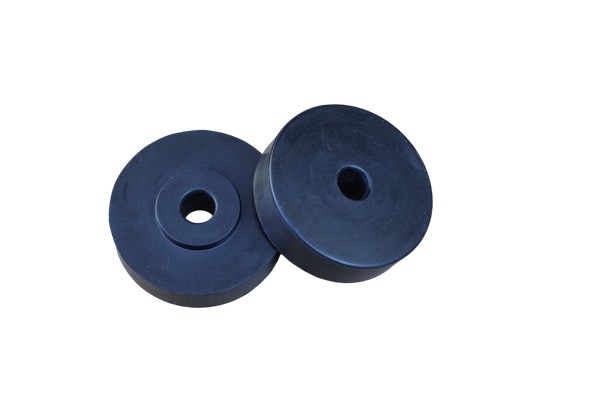
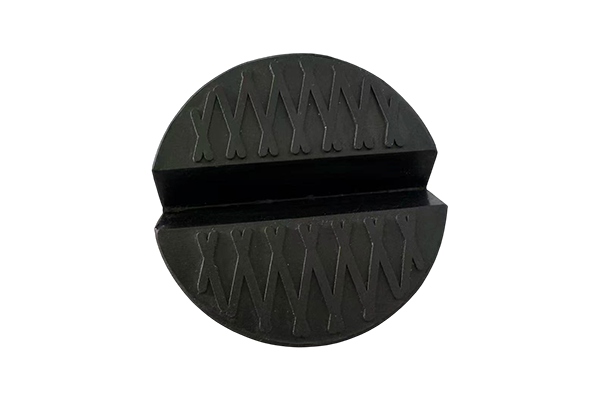
What Is a Car Jack Rubber Support Block?
A Car Jack Rubber Support Block is a molded rubber pad placed between the jack and the vehicle’s lifting point. Its purpose is to prevent metal-to-metal contact, reduce vibration, and distribute pressure evenly across the contact surface.
In professional rubber support block production, high-density rubber compounds are selected for load resistance, slip control, and durability. These blocks are widely used in automotive repair, tire service, body shops, and vehicle assembly lines where repeated lifting is required.
When used correctly, a rubber jack pad protects both the vehicle and the lifting equipment.
Mistake 1: Using the Wrong Size or Shape
One of the most common errors is choosing a rubber support block that does not match the jack or the vehicle lifting point.
Problems caused by mismatch include:
·Uneven load distribution
·Slipping during lifting
·Frame point deformation
·Reduced stability
A professional Car Jack Rubber Support Block manufacturer designs different sizes and groove patterns for various vehicle structures. Users should always ensure the rubber block fits securely on both the jack saddle and the vehicle pinch weld or frame area.
Mistake 2: Ignoring Load Capacity
Not all rubber jack support blocks are designed for the same weight. Using a block beyond its rated capacity increases the risk of compression failure or cracking.
In production environments, load limits are tested during manufacturing. However, users still need to confirm:
·Vehicle weight
·Jack rating
·Rubber block compression resistance
Overloading shortens product life and compromises safety. Especially in workshops handling multiple vehicle types, choosing a rubber support block with proper load tolerance is essential.
Mistake 3: Placing the Block on an Unstable Surface
Even the best Car Jack Rubber Support Block cannot compensate for poor ground conditions. Placing the jack and block on soft soil, uneven concrete, or oily floors increases slipping risk.
Common issues include:
·Jack tilting
·Block shifting
·Vehicle imbalance
·Sudden load transfer
For safe lifting, the surface under the jack must be flat, dry, and stable. In production and service environments, workspace preparation is just as important as product quality.
Mistake 4: Incorrect Positioning on the Vehicle
Every vehicle has designated lifting points. Placing the rubber block on the wrong area can damage body panels, exhaust components, or suspension parts.
Incorrect positioning may cause:
·Structural bending
·Paint damage
·Misalignment
·Unsafe lifting angles
Users should always align the groove of the rubber support block with the vehicle’s recommended lift point. Proper positioning ensures the block supports the frame correctly and distributes pressure evenly.
Mistake 5: Skipping Regular Inspection
Rubber materials age over time. Cracks, hardening, or surface wear reduce grip and load performance. Many users forget to inspect their rubber support blocks before use.
Signs that replacement is needed:
·Visible cracks
·Permanent deformation
·Loss of elasticity
·Surface peeling
In professional Car Jack Rubber Support Block production, durability is tested, but real-world use still requires routine inspection. Preventive replacement avoids unexpected failures during lifting.
Mistake 6: Using Contaminated or Wet Blocks
Oil, grease, water, or dust on the rubber surface reduces friction. A contaminated block can slip between the jack and the vehicle.
Production and service environments should keep rubber pads:
·Clean
·Dry
·Free of chemicals
·Stored properly
Simple cleaning routines improve safety and extend product life, especially for bulk supply users who manage large quantities of support blocks in workshops or distribution centers.
Mistake 7: Treating the Block as the Only Safety Measure
A Car Jack Rubber Support Block improves contact safety, but it does not replace proper lifting procedures. Some users rely solely on the rubber pad without using additional supports.
Safe lifting also requires:
·Jack stands
·Wheel chocks
·Level ground
·Controlled lifting speed
In production and professional service, rubber support blocks are part of a complete lifting system, not a standalone safety solution.
Mistake 8: Improper Storage After Use
After lifting operations, many users leave rubber blocks exposed to sunlight, chemicals, or heavy stacking. This accelerates aging and deformation.
Best storage practices include:
·Keeping blocks in dry areas
·Avoiding direct UV exposure
·Storing flat without compression
·Separating from oils and solvents
For a Car Jack Rubber Support Block manufacturer supporting bulk supply, packaging and storage guidance are often included to protect product performance from production to end use.
How Proper Use Supports Long-Term Production Efficiency
Correct usage of rubber jack support blocks does more than improve safety. It also supports long-term operational efficiency.
Benefits include:
·Reduced vehicle damage
·Lower replacement frequency
·Consistent lifting performance
·Better workshop workflow
In large-scale automotive production and service environments, small lifting errors multiply into significant costs. Using rubber support blocks correctly protects both equipment and productivity.
Choosing the Right Car Jack Rubber Support Block
When selecting a rubber support block, buyers should consider:
·Rubber compound quality
·Load capacity rating
·Groove design
·Anti-slip performance
·Production consistency from the manufacturer
A reliable Car Jack Rubber Support Block manufacturer focuses on stable production processes and quality control to ensure every unit performs the same way, especially for bulk supply orders.
The Role of Rubber Support Blocks in Modern Automotive Work
As vehicles become lighter and more complex, protecting lifting points is critical. A Car Jack Rubber Support Block provides cushioning, grip, and load distribution that metal saddles alone cannot offer.
For manufacturers and service centers handling continuous production and lifting tasks, rubber support blocks are essential tools that support both safety and efficiency.
Conclusion
Avoiding common mistakes when using a Car Jack Rubber Support Block is key to safe and efficient vehicle lifting. Errors such as wrong sizing, overloading, poor positioning, and lack of inspection reduce performance and increase risk.
For any Car Jack Rubber Support Block manufacturer with strong production systems and bulk supply capability, product quality must be paired with proper usage knowledge. When used correctly, rubber jack support blocks protect vehicles, improve lifting stability, and support long-term productivity in automotive environments.
References
GB/T 7714:Gent A N. Engineering with rubber: how to design rubber components[M]. Carl Hanser Verlag GmbH Co KG, 2012.
MLA:Gent, Alan N. Engineering with rubber: how to design rubber components. Carl Hanser Verlag GmbH Co KG, 2012.
APA:Gent, A. N. (2012). Engineering with rubber: how to design rubber components. Carl Hanser Verlag GmbH Co KG.