

When conducting vehicle maintenance or repair work, ensuring safety and protecting equipment are of utmost importance. One small yet vital component that is often overlooked is the automotive rubber support block. Rubber support blocks are engineered to deliver a stable, protective surface between lifting equipment and the vehicle. Whether employed in professional repair facilities or home garages, these blocks help prevent structural damage while enhancing the safety of the lifting process. In this guide, we will explain what automotive rubber support blocks are, why they matter, and how to select high-quality products for your workshop or garage.
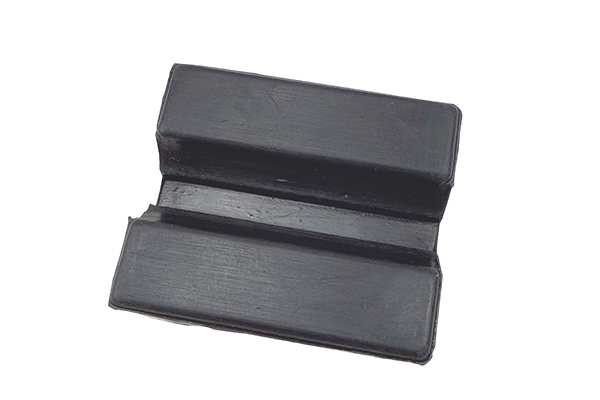
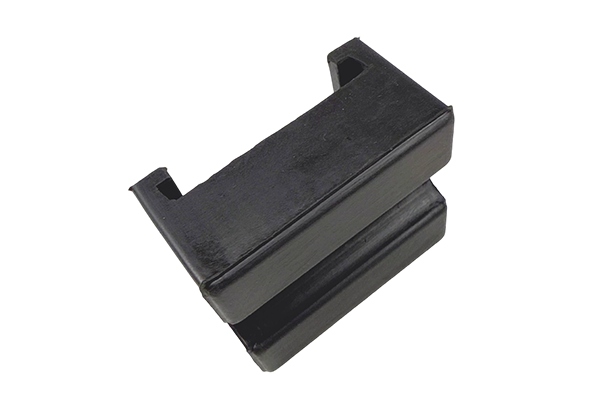
What Is an Automotive Rubber Support Block?
An automotive rubber support block is a durable rubber component placed between a vehicle and lifting equipment, such as:
·Car lifts
·Hydraulic jacks
·Scissor lifts
·Garage lift platforms
Its primary function is to safeguard the vehicle frame and distribute lifting pressure evenly across the contact area. Most support blocks are produced using high-density rubber compounds, which offer exceptional durability, shock absorption, and anti-slip performance—key traits for safe lifting operations.
Why Automotive Rubber Support Blocks Are Important
Utilizing rubber support blocks provides several significant benefits when lifting vehicles, contributing to both safety and equipment longevity.
1. Protects the Vehicle Frame
Direct contact between metal lifting equipment and a vehicle’s underbody can lead to dents, scratches, or even structural damage. Rubber support blocks act as a protective buffer, absorbing pressure and shielding sensitive lifting points from harm.
2. Improves Safety During Lifting
Rubber materials inherently offer high friction and grip, which reduces the risk of slipping during the lifting process. This ensures the vehicle stays stable and is properly supported at all times.
3. Extends Equipment Life
Rubber support blocks also protect lifting equipment from direct wear and impact, helping to prolong the service life of car lifts, jacks, and other lifting tools.
4. Ideal for Professional Workshops
Automotive repair shops depend on rubber support blocks to ensure:
·Safe lifting procedures
·Protection of customers’ vehicles
·Compliance with industry safety standards
Recommended Automotive Rubber Support Blocks from Wenming Factory
If you are in search of reliable automotive rubber support blocks, Wenming Factory specializes in manufacturing high-quality rubber components for automotive lifting equipment, catering to both professional and commercial needs.
Key Features of Wenming Rubber Support Blocks
✔ High-density industrial rubber for long-lasting durability and wear resistance
✔ Strong load-bearing capacity to support heavy-duty vehicles
✔ Anti-slip surface design to enhance safety during lifting operations
✔ Shock absorption properties to protect vehicle frames from damage
✔ Available in various shapes and sizes to fit different types of lifting equipment
Our rubber support blocks are widely used by:
·Automotive repair shops
·Vehicle service centers
·Garage equipment distributors
·Auto tool wholesalers
Custom Manufacturing Available
Wenming Factory also offers OEM and custom production services, including:
·Customized sizes and shapes to meet specific requirements
·Logo customization for brand recognition
·Special rubber material formulas tailored to unique needs
·Bulk production options for distributors and brands
This makes our factory a trustworthy partner for businesses seeking high-quality automotive rubber lifting accessories.
How to Choose the Right Rubber Support Block
Not all rubber support blocks are identical. When selecting the right product for your needs, consider the following key factors:
Material Quality
Opt for support blocks made from high-density rubber compounds to ensure durability and resistance to heavy loads.
Load Capacity
Ensure the block can support the weight of the vehicles you typically service, avoiding overloading and safety risks.
Surface Design
Blocks with grooved or textured surfaces provide better grip, helping to stabilize the vehicle during lifting.
Size Compatibility
Different lifting equipment requires different support block sizes, so choose one that fits your lift platform or jack properly for optimal performance.
Applications of Automotive Rubber Support Blocks
Rubber support blocks are commonly used in various scenarios, including:
·Two-post car lifts
·Four-post vehicle lifts
·Hydraulic garage jacks
·Automotive service equipment
·Professional repair workshops
They are essential accessories for both professional mechanics and car enthusiasts alike.
Maintenance Tips for Rubber Support Blocks
To ensure a long service life for your rubber support blocks, follow these simple maintenance tips:
·Regularly inspect the blocks for cracks, wear, or damage
·Keep them clean and free from oil or grease buildup, which can reduce grip
·Replace damaged blocks immediately to avoid safety hazards
·Store them in a dry, cool environment when not in use
Proper care ensures reliable performance and safe lifting operations over time.
Final Thoughts
Although automotive rubber support blocks may appear to be simple accessories, they play a crucial role in ensuring safe and damage-free vehicle lifting. By using high-quality support blocks, you can protect vehicles, enhance workshop safety, and extend the lifespan of your lifting equipment. If you are looking for durable and reliable automotive rubber support blocks, Wenming Factory offers professional manufacturing solutions with customizable options and bulk supply services for global customers. Feel free to contact us to learn more about our products and OEM services.
References
GB/T 7714:Mechanical Properties of High-Density Rubber Compounds for Automotive Support Blocks[J]. Journal of Materials Science and Engineering
MLA:Protection Mechanism of Rubber Support Blocks on Vehicle Frame During Lifting Operations[J]. IEEE Transactions on Vehicular Technology
APA:Durability and Wear Resistance of Industrial Rubber Components for Vehicle Lifting[J]. Rubber Chemistry and Technology