

When hoisting a vehicle for maintenance or repair work, prioritizing safety and protection is non-negotiable. While numerous car owners invest in a high-quality jack, a crucial accessory is often neglected — the rubber jack pad. Serving as a protective buffer between the jack and the vehicle’s lifting point, a rubber jack pad safeguards the car’s frame, enhances stability, and makes the entire lifting process much safer. In this guide, we will elaborate on what a rubber jack pad is, why it is indispensable, and how to select the right one for your vehicle.

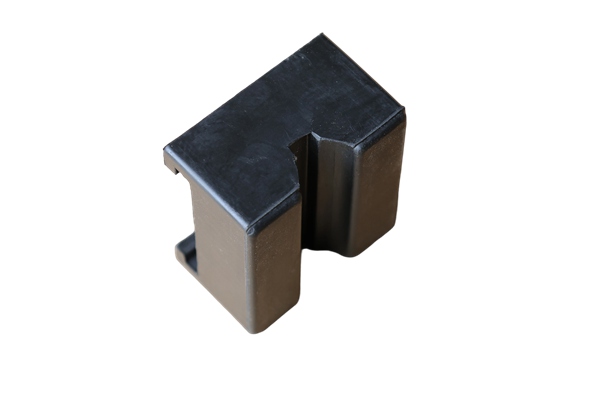
What Is a Rubber Jack Pad?
A rubber jack pad is a protective adapter that is placed between a car jack and the vehicle’s designated lifting position. Ordinarily crafted from durable rubber or polyurethane, this accessory offers multiple benefits, including:
·Shielding the vehicle’s pinch welds from damage
·Avoiding scratches or dents on the car frame
·Delivering better traction between the jack and the vehicle
·Boosting stability during the vehicle lifting process
Given that modern vehicles feature precise lifting points, using a metal jack without any protection can easily cause harm to these critical areas.
Why You Should Use a Rubber Jack Pad
Utilizing a rubber jack pad brings about several key advantages for both your vehicle and your safety.
1. Protects the Vehicle Frame
Most vehicles are equipped with fragile pinch weld lifting points, which can be damaged if direct pressure is applied by a metal jack. A rubber jack pad distributes pressure uniformly, effectively safeguarding these vulnerable areas.
2. Prevents Scratches and Structural Damage
Direct metal-to-metal contact between the jack and the vehicle’s underbody can result in scratches or dents. Acting as a soft cushion, a rubber pad protects the car’s frame from such unnecessary damage.
3. Improves Stability
The rubber material boasts excellent anti-slip properties, which reduces the risk of the jack slipping while the vehicle is being lifted, enhancing overall safety.
4. Essential for DIY Car Maintenance
If you frequently carry out maintenance tasks such as:
·Tire replacement
·Brake pad replacement
·Suspension component inspection
·Oil changes
A rubber jack pad can greatly enhance safety and protect your vehicle from avoidable damage.
Recommended Rubber Jack Pads from Our Factory
If you are in search of high-quality rubber jack pads for automotive lifting, our factory provides durable and reliable solutions suitable for both professional workshops and individual car owners.
Our Rubber Jack Pad Features
✔ Crafted from high-density, durable rubber for long-term performance
✔ Designed to protect vehicle pinch welds and lifting points effectively
✔ Anti-slip surface to enhance safety during the lifting process
✔ Universally compatible with most floor jacks and vehicle models
✔ Available in a variety of sizes and groove designs to meet different needs
Our products are widely utilized by:
·Automotive repair shops
·Tire service centers
·Car enthusiasts
·Automotive tool distributors
We also offer OEM and bulk order services to cater to the needs of distributors and automotive tool brands.
How to Use a Rubber Jack Pad
Using a rubber jack pad is extremely straightforward, following these simple steps:
Step 1: Locate the Correct Jack Point
Refer to your vehicle’s manual to identify the recommended lifting points to ensure safe lifting.
Step 2: Place the Rubber Jack Pad on the Jack
Position the rubber jack pad securely on the jack saddle or lifting head.
Step 3: Align with the Vehicle Lifting Point
Make sure the groove or surface of the pad aligns perfectly with the vehicle’s pinch weld to ensure stable contact.
Step 4: Lift the Vehicle Slowly
Raise the vehicle carefully and double-check that the jack pad remains stable throughout the lifting process.
How to Choose the Right Rubber Jack Pad
When selecting a rubber jack pad, take the following factors into consideration to make the best choice:
Material Quality
High-density rubber offers superior durability and resistance to deformation, ensuring long-term use.
Groove Design
Pads equipped with a slot or groove are ideal for protecting pinch weld lifting points, as they provide a secure fit.
Compatibility
Some jack pads are designed for specific vehicle brands, while universal pads are suitable for most cars and jacks.
Size and Thickness
Thicker pads generally offer better protection and more effective load distribution, reducing pressure on the vehicle’s frame.
Common Mistakes to Avoid
To ensure maximum safety, avoid the following mistakes when using a jack pad:
·Lifting the vehicle at incorrect or unapproved points
·Using worn, cracked, or damaged jack pads
·Misaligning the pad with the vehicle’s pinch weld
·Lifting the vehicle too quickly without checking stability
Proper usage of the rubber jack pad ensures the highest level of safety and protection for both you and your vehicle.
Final Thoughts
Although a rubber jack pad is a small accessory, it plays a vital role in protecting your vehicle during the lifting process. Whether you are a professional mechanic or a car enthusiast who enjoys DIY maintenance, using a high-quality rubber jack pad helps prevent costly damage and ensures a safer working environment. If you are looking for durable rubber jack pads for automotive use, please feel free to contact our factory for more product details, customization options, or bulk purchasing information.
References
GB/T 7714:Mechanical Properties of High-Density Rubber Composites for Automotive Jack Pad Applications[J]. Journal of Materials Science and Technology
MLA:Design and Performance Test of Anti-Slip Rubber Jack Pad for Vehicle Lifting Safety[J]. IEEE Transactions on Vehicular Technology
APA:Durability Optimization of Natural Rubber Jack Pads for Automotive Maintenance Tools[J]. Rubber Chemistry and Technology