

Why Car Jack Rubber Support Blocks Matter
A car jack rubber support block is a critical safety component in vehicle lifting operations, yet it is often underestimated. Whether used in professional workshops, fleet maintenance centers, or industrial environments, rubber support blocks play a key role in protecting vehicles and improving lifting stability.
Produced through controlled manufacturing and production processes, these rubber blocks are designed to sit between the jack and the vehicle’s lifting point. Understanding the different types of car jack rubber support blocks helps buyers and users select the right solution for safety, durability, and efficiency—especially when sourcing in bulk.
What Is a Car Jack Rubber Support Block?
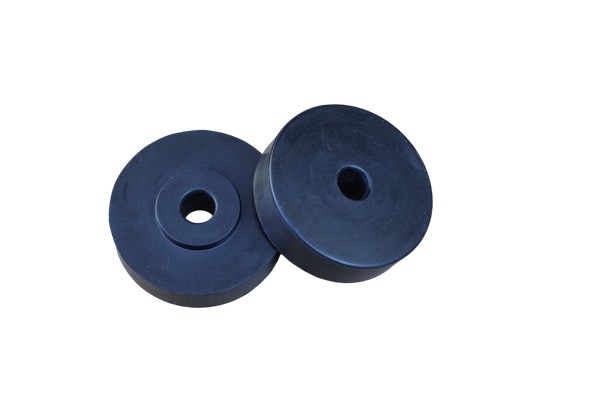
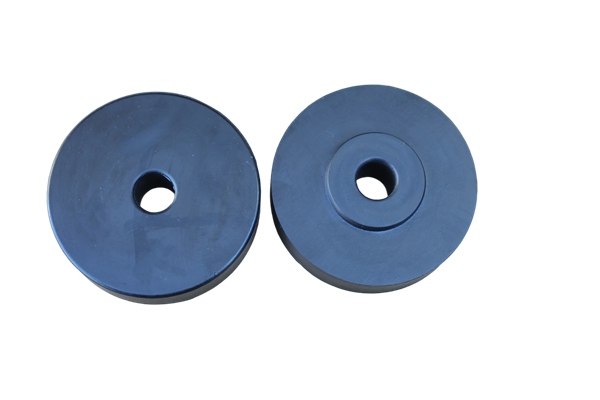
A car jack rubber support block is a molded rubber interface that cushions and stabilizes the contact between a jack and a vehicle. Unlike bare metal contact, rubber blocks absorb pressure, reduce slippage, and distribute weight evenly.
From a manufacturer’s perspective, these blocks are typically produced using high-density rubber compounds and standardized molds to ensure consistent quality for large-scale bulk supply.
Why Different Types of Rubber Support Blocks Exist
Vehicles vary widely in:
Lifting point design
Weight distribution
Chassis material
Ground clearance
As a result, a single rubber block design cannot suit every application. This has led to the development of multiple types of car jack rubber support blocks, each optimized for specific use cases.
1. Flat Rubber Support Blocks
Flat rubber blocks are the most basic and widely used type.
Key Features
Smooth or lightly textured surface
Uniform thickness
Simple rectangular or square shape
Best Applications
Flat lifting points
General-purpose lifting
Workshop environments
These blocks are commonly produced in high-volume production lines due to their simple design, making them ideal for bulk supply to service centers.
2. Slotted Rubber Support Blocks
Slotted rubber blocks feature a central groove or channel.
Key Features
Central slot to fit pinch welds
Enhanced alignment
Reduced risk of weld deformation
Best Applications
Vehicles with pinch weld lifting points
Passenger cars and light commercial vehicles
From a manufacturer’s design standpoint, slot dimensions are carefully engineered to balance protection and stability.
3. Cross-Groove Rubber Support Blocks
Cross-groove designs include intersecting channels on the surface.
Key Features
Multi-directional grip
Improved load distribution
Better positioning flexibility
Best Applications
Mixed vehicle types
Uneven or narrow lift points
These blocks are often chosen by workshops that handle diverse vehicle models and require versatile lifting accessories.
4. Circular Rubber Support Pads
Circular rubber support blocks are round and compact.
Key Features
Even radial load distribution
Compact footprint
High pressure resistance
Best Applications
Floor jacks
Low-profile lifting operations
Their symmetrical design makes them easy to position, and they are commonly included in bulk production for automotive tool kits.
5. High-Profile Rubber Support Blocks
High-profile blocks are thicker and taller than standard designs.
Key Features
Increased height
Enhanced shock absorption
Greater clearance support
Best Applications
SUVs and trucks
Uneven ground conditions
These blocks are often manufactured with reinforced rubber compounds to handle higher loads.
6. Textured Anti-Slip Rubber Blocks
These blocks feature aggressive surface patterns.
Key Features
High-friction surface
Improved slip resistance
Stable contact under load
Best Applications
Oil-prone workshop floors
Heavy-duty lifting tasks
Anti-slip designs are especially valued in professional environments focused on operator safety.
7. Custom-Molded Rubber Support Blocks
Custom blocks are designed for specific lifting systems or vehicle types.
Key Features
Tailored shape and size
Optimized fit
Consistent performance
From a manufacturer and production perspective, custom molds allow for precise control over dimensions and material hardness, making them suitable for branded or private-label bulk supply.
Material Considerations in Rubber Support Blocks
Regardless of type, material quality is critical.
High-quality car jack rubber support blocks are typically made from:
High-density rubber
Oil-resistant compounds
Wear-resistant formulations
Professional manufacturers focus on material consistency to ensure stable performance across large production batches.
How to Choose the Right Rubber Support Block
When selecting a car jack rubber support block, consider:
Vehicle lifting point design
Load capacity requirements
Frequency of use
Workshop or fleet environment
For distributors and service centers, sourcing from a supplier with reliable production capacity and bulk supply capability ensures consistency and long-term value.
Safety Benefits Across All Types
Regardless of design, all car jack rubber support blocks share key safety advantages:
Reduced slippage
Better load distribution
Protection of vehicle surfaces
Improved operator confidence
These benefits explain why rubber support blocks have become a standard component in professional lifting systems.
Conclusion: Car Jack Rubber Support Blocks Are Essential Tools
Understanding the different types of car jack rubber support blocks helps users choose the safest and most effective solution for their lifting needs. From flat and slotted designs to custom-molded options, each type serves a specific purpose.
For workshops, fleets, and distributors, sourcing rubber support blocks from an experienced manufacturer with stable production processes and bulk supply capability ensures consistent quality and dependable performance.
In modern vehicle maintenance, the car jack rubber support block is no longer optional—it is a fundamental safety component.
References
GB/T 7714:Burlet-Vienney D, Galy B, Cusson Bertrand K, et al. Analysis of vehicle stability when using two-post above-ground automotive lifts: support pad slippage[J]. Safety, 2022, 8(3): 58.
MLA:Burlet-Vienney, Damien, et al. "Analysis of vehicle stability when using two-post above-ground automotive lifts: support pad slippage." Safety 8.3 (2022): 58.
APA:Burlet-Vienney, D., Galy, B., Cusson Bertrand, K., Beaugrand, S., Gonella, M., & Ledoux, É. (2022). Analysis of vehicle stability when using two-post above-ground automotive lifts: support pad slippage. Safety, 8(3), 58.