

Comparing Jack Rubber Pad Materials
Choosing the right Jack Rubber Pad material is critical for durability, safety, and load performance. Different compounds behave differently under stress, temperature, and environmental exposure.
Natural Rubber (NR): High Elasticity
Natural rubber offers excellent elasticity and resilience. It absorbs shock effectively, making it suitable for general-purpose jack pads.
However, it has limited resistance to oil and UV exposure.
Nitrile Rubber (NBR): Oil Resistance
NBR is widely used in automotive environments due to its resistance to oils and fuels.
For applications involving hydraulic jacks, NBR provides longer service life compared to natural rubber.
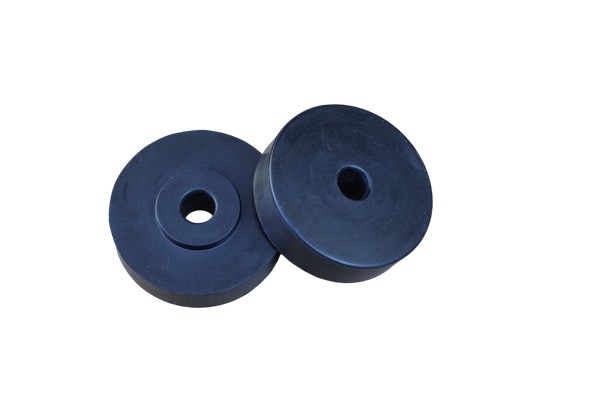

EPDM: Weather and UV Resistance
EPDM is ideal for outdoor use. It resists UV radiation, ozone, and temperature fluctuations.
This makes it a strong candidate for long-term durability in exposed environments.
Polyurethane: High Load Capacity
Polyurethane stands out for its high load-bearing capacity and abrasion resistance.
It is often used in heavy-duty jack pads where structural integrity is critical.
Silicone Rubber: Extreme Temperature Stability
Silicone performs well in both high and low temperatures. However, it is less commonly used due to higher cost and lower tear strength.
Hardness (Shore A) Considerations
Material hardness determines grip and deformation.
Softer pads → better grip
Harder pads → higher durability
Balancing these properties is key in design.
Cost vs. Performance Trade-off
Each material comes with cost implications. Buyers must evaluate lifecycle cost rather than initial price.
Application-Specific Selection
There is no “best” material universally. The right choice depends on:
Load requirements
Environmental exposure
Frequency of use
Conclusion: Jack Rubber Pad Material Selection
Selecting the right Jack Rubber Pad material requires understanding performance trade-offs. Matching material properties to application conditions ensures safety and longevity.
References
Polymer Materials Science textbooks
ASTM Rubber Testing Standards
Journal of Applied Polymer Science
Tribology International